

Children's eye health is a critical aspect of their overall development, often impacting their educational and social performance. Regular eye check-ups can identify and rectify vision problems, aiding in a child's overall growth.
This article aims to educate parents on the importance of pediatric eye care, identifying key signs for concern, and guiding them through the process of finding and visiting a kid's eye doctor.
Understanding Pediatric Eye Care
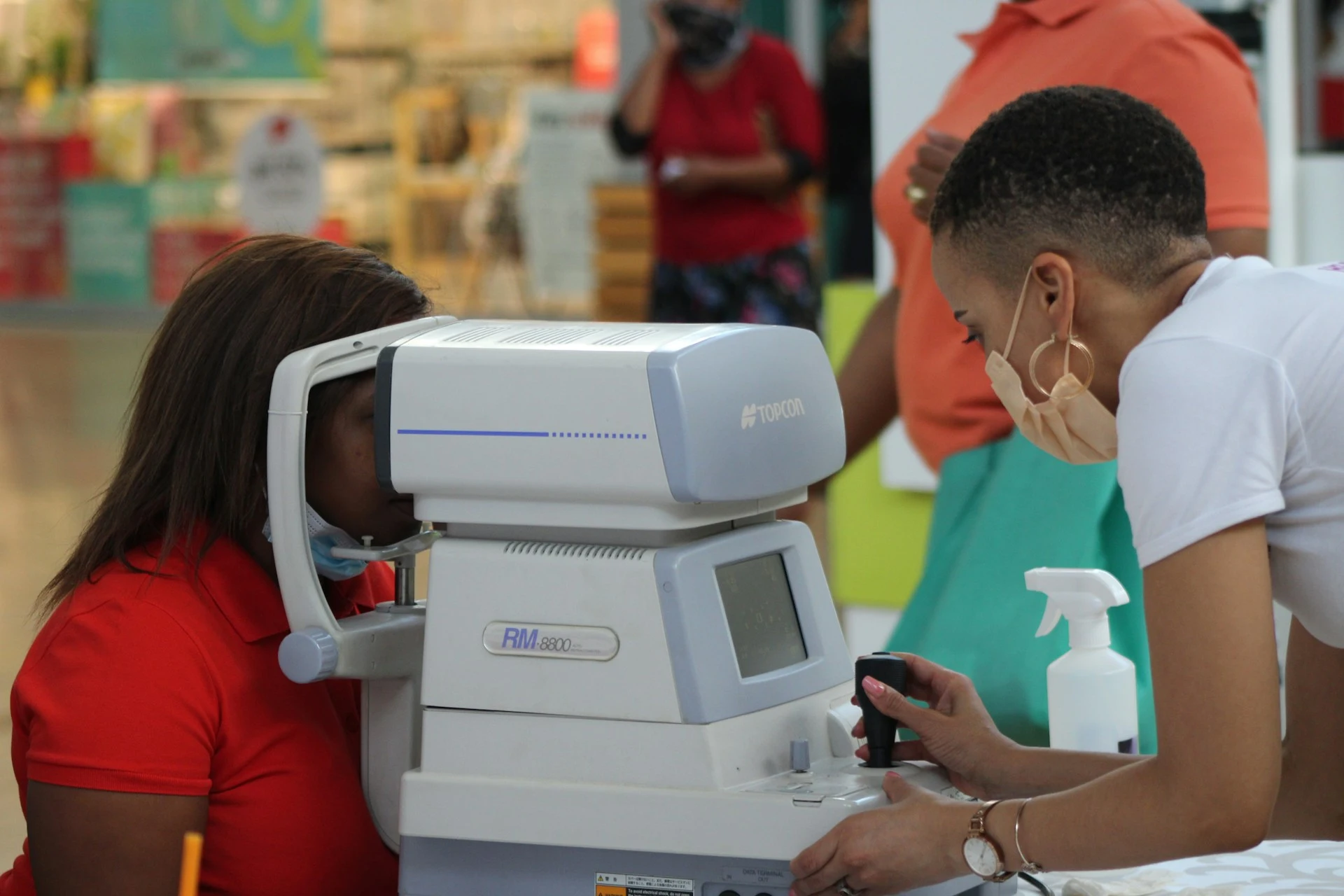
Pediatric Eye Care is a medical field specializing in children's eye health. Children's eyes are different from adults, requiring specialized care. Common eye issues include amblyopia (lazy eye), strabismus (crossed eyes), and refractive errors like nearsightedness or farsightedness. There is a completely objective way to measure a glasses prescription in children that does not require the traditional, “1 or 2,” method. Early detection and treatment are crucial as children's eyes are still developing, and untreated issues can lead to permanent vision problems.
Signs Your Child Might Need an Eye Doctor
Parents should watch for certain symptoms indicating potential eye issues. These include persistent eye rubbing, excessive tearing, sensitivity to light, trouble focusing, squinting, or tilting the head to see better. Behavioral signs, such as avoiding reading or viewing distant objects, can also signal vision problems. If these symptoms are observed, it’s important to consult a pediatric eye doctor.
Choosing the Right Pediatric Eye Doctor Near You
When selecting an eye doctor for your child, look for someone with experience treating children, as they will have a better approach to making children comfortable during exams. Recommendations from pediatricians or fellow parents can be invaluable. Additionally, consider the location and availability of the doctor to ensure regular follow-ups.
Preparing for the First Visit
A child's first eye exam might include a discussion of family eye history, vision tests using eye charts, examination of eye alignment, and possibly pupil dilation to examine the back of the eye. Preparing your child for this visit involves explaining the process in a fun and non-threatening way, ensuring they understand that the visit is important for their eye health.
Common Procedures and Tests
Eye exams for children often include tests for visual acuity, using age-appropriate eye charts. Eye alignment is checked to ensure that the eyes are working together properly. The doctor might use lights and lenses to inspect the eye's internal structures. In some cases, eye drops are used to dilate the pupils, allowing a better view of the internal eye, including the retina and optic nerve.
Dealing with Diagnosis
Common diagnoses in children include myopia (nearsightedness), hyperopia (farsightedness), and astigmatism (distorted vision). Treatment might involve prescription glasses or contact lenses. In cases like amblyopia or strabismus, eye patches, eye drops, or even surgery could be recommended. Understanding these conditions and their treatments helps parents make informed decisions about their child’s eye care.
Glasses and Kids
Selecting the right glasses for children involves finding frames that fit comfortably and securely. Polycarbonate lenses are recommended for their impact resistance. Anti-reflective coatings can reduce glare, which is beneficial for screen time. Letting children have a say in choosing their frames can make them more enthusiastic about wearing glasses.
Eye Care Tips for Children
Encourage regular breaks during reading or screen time to reduce eye strain. Ensure adequate lighting for reading or homework. Teach children the importance of not rubbing their eyes. Protective eyewear should be used for sports or outdoor activities. Regular eye exams are crucial, even if no vision problems are apparent.
Digital Eye Strain in Children
Symptoms of digital eye strain include dry eyes, headaches, blurred vision, and fatigue. To prevent this, ensure children take breaks every 20 minutes when using screens (the 20-20-20 rule recommends viewing 20 feet away every 20 minutes for 20 seconds). Adjusting screen brightness, ensuring proper sitting posture, and using anti-glare screens can also help.
Insurance and Costs
Understanding what pediatric eye care services are covered by insurance is important. Many plans cover annual eye exams and a portion of glasses or contact lens costs. For treatments like surgery, check with your insurance provider about coverage. Out-of-pocket expenses can vary, so it’s wise to compare prices and services among different providers.
Ensuring the health of your child’s eyes is integral to their overall well-being. Regular eye exams, early detection, and treatment of eye conditions, and proper eye care practices are key.
By choosing the right eye care professional and being informed about pediatric eye health, you can help safeguard your child's vision, contributing significantly to their development and quality of life.
FAQs for Finding the Best Kids Eye Doctor Near You
At what age should I first take my child to see a kids eye doctor?
It's recommended to have your child's first comprehensive eye exam at around 6 months old, again at age 3, and before starting kindergarten, around age 5 or 6. However, if you notice any signs of eye problems, it's important to schedule an appointment regardless of their age.
How can I tell if my child is experiencing vision problems?
Common signs include squinting, sitting too close to the television, avoiding reading or other close activities, eye rubbing, and complaining of headaches or tired eyes. If you notice any of these signs, it's advisable to consult a kids eye doctor.
What should I look for when choosing a kids eye doctor near me?
Look for a pediatric optometrist or ophthalmologist with experience in treating children. Consider factors like the doctor's qualifications, reviews from other parents, the approachability of the doctor, and the convenience of their office location.
How often should children have their eyes checked?
After the initial exams at 6 months, age 3, and before kindergarten, children should have their eyes examined at least every two years if no vision correction is required. For children who need glasses or contact lenses, annual exams are recommended.
What are the common treatments for vision problems in children?
Treatments vary depending on the condition but can include prescription glasses or contact lenses, eye patches for conditions like amblyopia (lazy eye), eye drops, and in some cases, surgery. The kids eye doctor will recommend the best treatment based on the child's specific needs.